
Written by Joy Stein
In 2024, I lost my husband and soulmate to multiple system atrophy. Stuart was at the height of his career, serving as Chief Legal Officer of one of the world’s largest international law firms, when he first began experiencing strange symptoms. After nearly two years of consultations with countless physicians, he was finally diagnosed with MSA in July 2019.

Eight months later, the world shut down due to Covid. At the time, Stuart and I were grateful for the extra time together, but we also felt robbed of time twice — first by MSA, and then by the pandemic.
When the world reopened, his respiratory status was compromised so we did not leave the house. While friends were traveling, celebrating milestones, and planning retirement, I was watching my husband decline and trying to find caregivers to do the physical work I could no longer manage alone.
Every month, I lost another small piece of my husband. His body was failing him, and his speech became increasingly difficult to understand. The life we had imagined together disappeared in front of us. His deepest sorrow was knowing he would miss the chance to see our daughters succeed as grown women.
The private MSA Facebook groups became my lifeline. The “strangers” in those groups became some of my closest friends because they were the only people who truly understood the fear, grief, exhaustion, and heartbreak of loving someone with this disease.
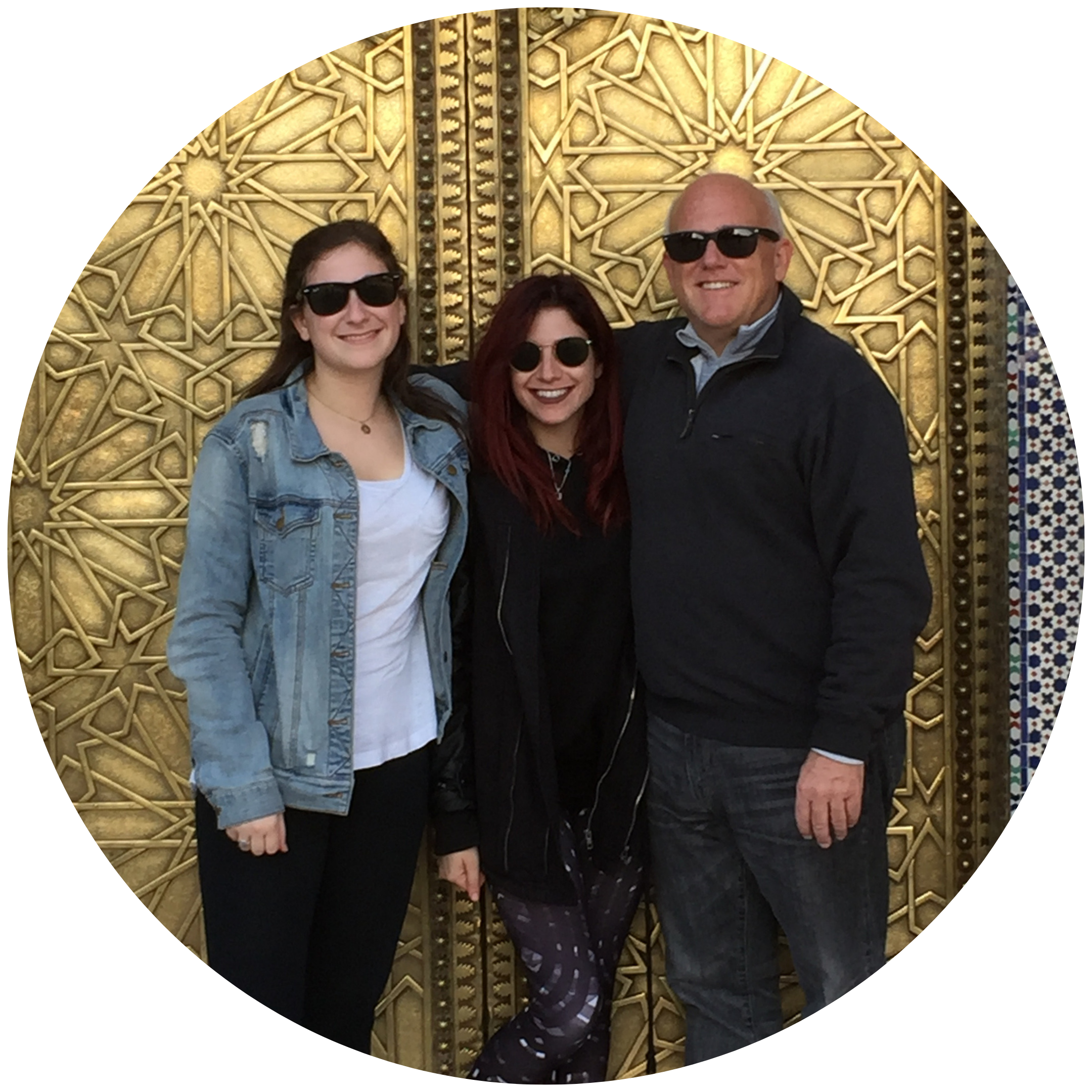
After Stuart’s death, I made a commitment to remain involved with Mission MSA.
I promised Stuart that I would continue raising awareness and funds so that, someday, other families will not have to suffer the way we did.
I became an Ambassador on MSA Connect to help others benefit from the experiences I gained while caring for Stuart. It is also my way of giving back for the kindness, support, and understanding that others shared with me throughout his illness.
I am inspired by the direction Mission MSA is taking. The organization now supports families through MSA Centers of Excellence, support groups, caregiver grants, and even an on-staff social worker — resources that make a meaningful difference during an unimaginably difficult illness.
MSA is not only devastating emotionally and physically; it is financially draining as well. Stuart and I were fortunate that we had the resources to meet his needs, purchase a wheelchair-accessible van, and hire caregivers. Many families do not have those options.
For that reason, I am matching donations made up to $25,000 towards Mission MSA’s patient support services, which helps families affected by MSA receive the Mission MSA Cares Grants for caregiving assistance. I hope you will consider making a donation to support this vital mission — and to help ensure that no family facing MSA has to navigate this disease completely alone.
Can you relate to any part of this journey? We’d love to hear your experience in the comments of this blog post on our online community platform, MSA Connect.